
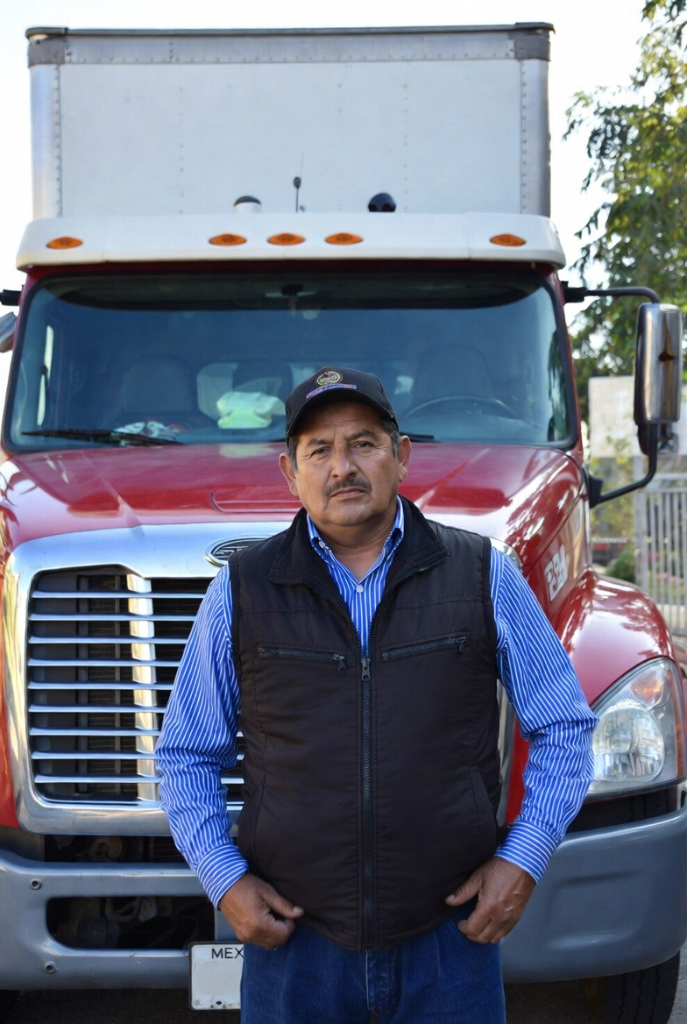
The United States freight network does not operate in isolation. Canadian and Mexican drivers regularly cross the border to haul loads, and drivers from other countries may operate legally under certain conditions. But the verification framework for international drivers is fragmented — and gaps in enforcement create real risk.
Canada and Mexico: Reciprocity with Conditions
The US has reciprocal licensing agreements with both Canada and Mexico for commercial drivers. In general:
- Canadian CDL holders may operate commercial vehicles in the US without obtaining a US CDL, provided their license is valid and they meet all other federal requirements
- Mexican CDL holders may operate within a commercial zone near the border, or further into the US under specific FMCSA authority and with a valid licencia federal de conductor
In both cases, the driver must still meet FMCSA medical certification standards, hours-of-service rules, and drug and alcohol testing requirements — which apply regardless of license origin.
Reciprocity means the license is recognized. It does not mean the driver's full record transfers or is visible to US carriers and brokers.
The Records Visibility Problem
When a US carrier hires a domestic driver, they can pull a Motor Vehicle Record (MVR) from the relevant state DMV and check CDLIS for license status. For a Canadian driver, this process is significantly less straightforward:
- MVR equivalents from Canadian provinces are not directly accessible through US systems
- Suspension or revocation in a Canadian province may not immediately flag in US databases
- Carriers must request records directly from the relevant Canadian province, which takes time and coordination
For Mexican drivers, the challenge is even greater. While FMCSA maintains some data-sharing arrangements, comprehensive real-time record verification is not available through standard US channels.
Drivers from Other Countries
Outside of Canada and Mexico, the rules change significantly. Most international drivers cannot legally operate commercial vehicles in interstate US commerce without obtaining a US CDL. An International Driving Permit (IDP) covers personal vehicles — not commercial trucks.
Despite this, there are documented cases of non-North American drivers operating commercial vehicles using credentials that do not confer legal authority to do so. Without effective verification at the point of pickup, this is difficult to detect.
What Carriers and Brokers Should Do
Until a comprehensive international verification system exists, industry best practices include:
- Requesting and reviewing the original foreign license alongside any required FMCSA documentation
- For Canadian drivers, directly contacting the provincial licensing authority or using a third-party record service
- Confirming current medical certification status through FMCSA's National Registry
- Documenting all verification steps in the driver qualification file
A Regulatory Gap Waiting to Be Closed
The FMCSA has acknowledged the complexity of international driver verification, but comprehensive cross-border data sharing remains an unresolved challenge. As cross-border freight volumes grow — particularly under USMCA trade frameworks — the pressure to develop real-time international driver verification tools will only increase.
For now, the responsibility falls on carriers, brokers, and shippers to conduct the due diligence that the system cannot yet do automatically.